
Question 50
AOptions
BSolution
Among the given options, biosphere reserves are specifically established for the conservation of biodiversity along with the maintenance of traditional human life and the promotion of sustainable development. Biosphere reserves are designed with a unique zoning system:
- Core Zone: Strictly protected area for conservation.
- Buffer Zone: Surrounds the core, used for research, education, tourism, and limited human activities compatible with conservation.
- Transition Zone: The outermost part, where a greater range of human activities and sustainable resource use is permitted, involving local communities in conservation efforts and promoting their socio-economic development.
This multi-zoned approach explicitly integrates human populations, their cultural practices, and traditional livelihoods into the conservation framework, distinguishing them from national parks (which primarily focus on wildlife protection with very limited human intervention) and wildlife sanctuaries (also focused on species protection, with more flexible management but generally restricting human activities detrimental to wildlife). Botanical gardens are primarily ex-situ conservation sites for plants.
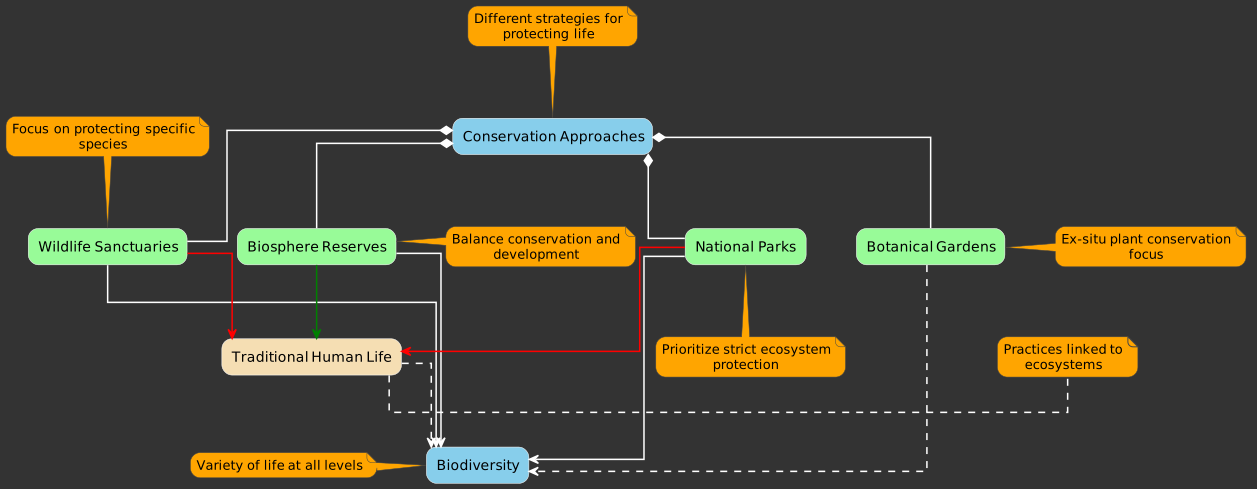
CStrategy
For questions on environmental conservation strategies and protected areas, understand the specific objectives and characteristics of each category. Pay close attention to keywords in the question like "traditional human life" or "sustainable use," as these often point directly to the definition of biosphere reserves.
DSyllabus Analysis
This question falls under Environment & Ecology, specifically biodiversity conservation, protected areas, and sustainable development.
EQuestion Analysis
Easy. This is a clear concept-based question regarding the distinct features and goals of different types of protected areas.