
Question 24
AOptions
BSolution
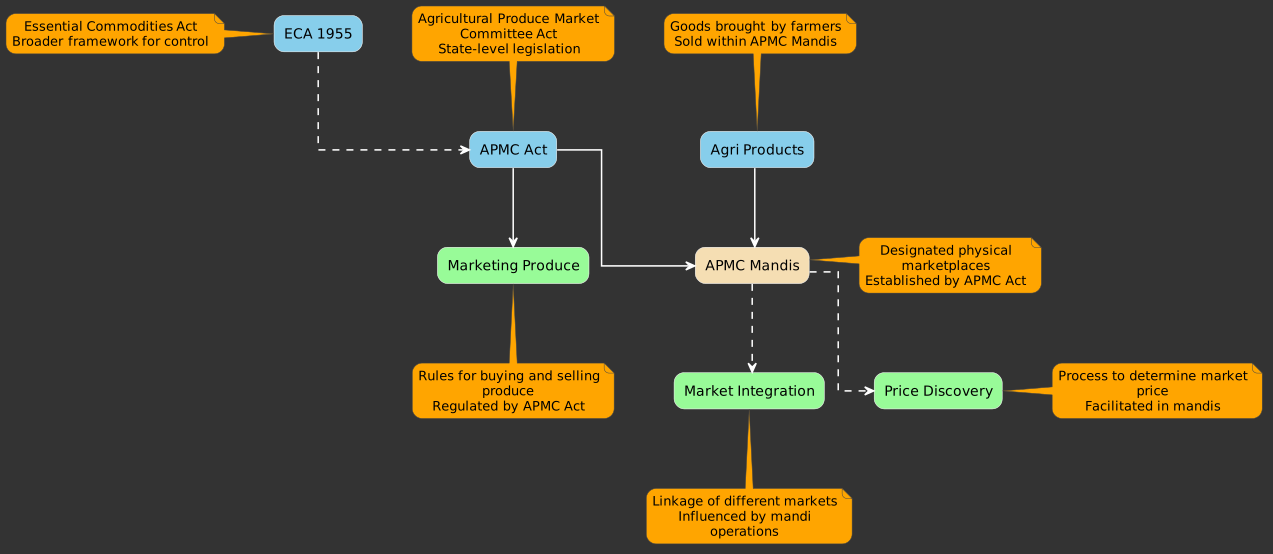
In India, the marketing of agricultural produce is primarily regulated by the Agricultural Produce Market Committee (APMC) Act. These Acts are enacted by individual State Governments. Under these Acts, various agricultural commodities are notified, and specific market areas are designated where trading of these commodities can take place through regulated market yards (mandis). The APMCs are responsible for regulating the sale and purchase of agricultural produce, ensuring fair trade practices, and collecting market fees. Other acts mentioned have different purposes: the Essential Commodities Act, 1955 deals with control over production, supply, and distribution; the Agricultural Produce (Grading and Marking) Act, 1937 deals with quality standards; and the Food Products Order, 1956 and Meat and Food Products Order, 1973 relate to food processing standards.
CStrategy
For questions about the regulation of specific sectors like agriculture, identify the primary legal framework and the governmental bodies responsible for its implementation. Understand that in a federal system like India, certain areas (like agriculture markets) fall under state jurisdiction, leading to state-level legislation.
DSyllabus Analysis
This question falls under the Indian Economy section, specifically agricultural sector reforms, marketing, and related government policies/acts.
EQuestion Analysis
Medium. While APMC Acts are well-known in the context of agricultural marketing, understanding that they are state-enacted and are the primary regulatory mechanism is key.