
Question 54
AOptions
BSolution
To determine which of the given architectural/artistic works was made earliest, one needs to know their approximate periods of creation:
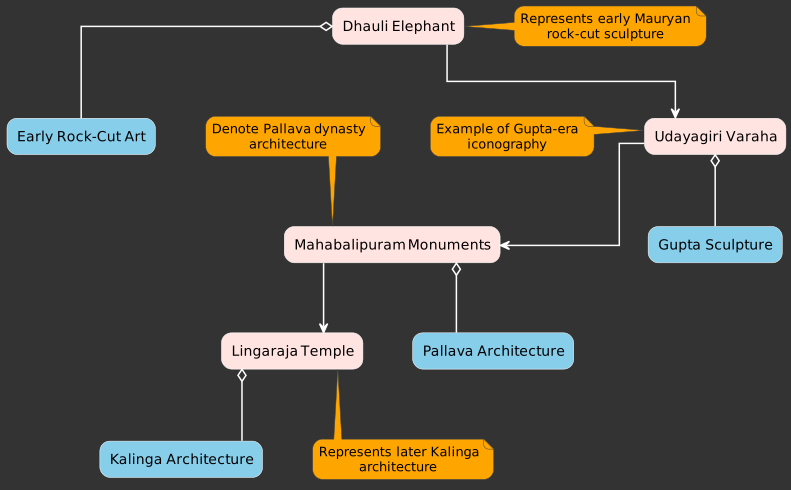
- Rock-cut Elephant at Dhauli: This famous elephant sculpture, located in Odisha, is associated with the Ashokan rock edicts and dates back to the Mauryan period, specifically the 3rd century BCE. It is considered one of the earliest rock-cut sculptures in India.
- Varaha Image at Udayagiri: The Udayagiri Caves in Madhya Pradesh, including the magnificent Varaha (boar) avatar of Vishnu, belong to the Gupta period, dating to the early 5th century CE.
- Rock-cut Monuments at Mahabalipuram: These include the Rathas and mandapas, created by the Pallava dynasty in Tamil Nadu, primarily during the 7th and 8th centuries CE.
- Lingaraja Temple at Bhubaneswar: This grand temple in Odisha is a classic example of Kalinga architecture and was largely completed in the 11th century CE.
Comparing these periods, the Rock-cut Elephant at Dhauli (3rd century BCE) predates all the others by several centuries, making it the earliest.
CStrategy
Questions on Indian art and archaeological history often require knowledge of the chronological order of different dynasties, architectural styles, and significant monuments. Create mental timelines or detailed notes categorizing art and architecture by period (e.g., Mauryan, Gupta, Pallava, Chola, etc.) to help in such comparisons.
DSyllabus Analysis
This question is from Indian Art and Culture, specifically focusing on ancient Indian architecture and sculpture, and their historical chronology.
EQuestion Analysis
Medium. Requires specific knowledge of the periods of various historical monuments and art forms.