
Question 17
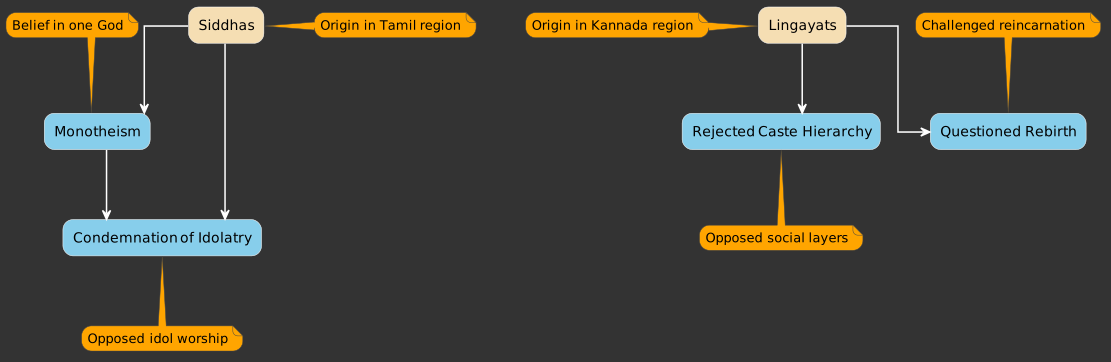
1. Siddhas (Sittars) of Tamil region were monotheistic and condemned idolatry.
2. Lingayats of Kannada region questioned the theory of rebirth and rejected the caste hierarchy.
Which of the statements given above is/are correct?
AOptions
BSolution
Let's examine the cultural history of medieval India concerning Siddhas and Lingayats:
- Siddhas (Sittars) of Tamil region were monotheistic and condemned idolatry: The Siddhas (Sittars) were a group of mystics and yogis in the Tamil region of South India, primarily from the 6th to 16th centuries. They were known for their emphasis on monotheism, their rejection of idol worship, and their criticism of caste distinctions and elaborate rituals. They stressed direct communion with God through inner discipline and spiritual practices. This statement is correct.
- Lingayats of Kannada region questioned the theory of rebirth and rejected the caste hierarchy: The Lingayat movement, founded by Basavanna in the 12th century in the Karnataka (Kannada) region, was a significant socio-religious reform movement. They challenged orthodox Brahmanical practices, including the theory of rebirth (they believed that upon death, a devotee would unite with Shiva and not be reborn). They strongly advocated against the caste system, child marriage, and emphasized equality, reason, and social justice. They also promoted monotheism (worship of Shiva as the one supreme being). This statement is correct.
Both statements accurately reflect the beliefs and practices of the Siddhas and Lingayats, respectively.
CStrategy
For questions on medieval Indian religious movements (Bhakti and Sufi), focus on their key tenets, philosophical positions (monotheistic, polytheistic), their views on social issues (caste, gender), and their founders/prominent figures. Understand the similarities and differences between various sects.
DSyllabus Analysis
This question falls under the History of India, specifically medieval Indian cultural history, including Bhakti and Sufi movements.
EQuestion Analysis
Medium to Difficult. While both movements are important, knowing their specific theological and social reform aspects in detail requires focused study of medieval Indian religious history.