
Question 15
AOptions
BSolution
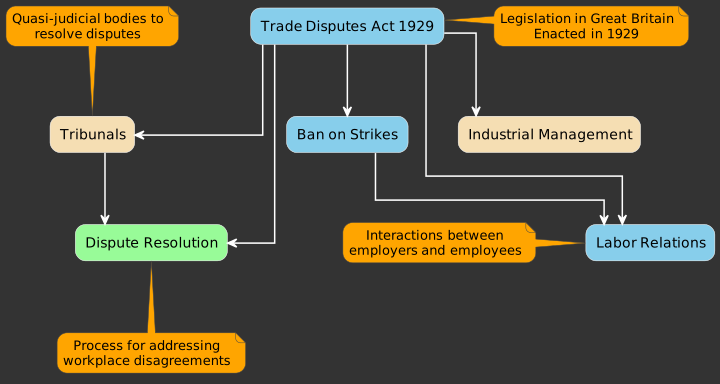
The Trade Disputes Act of 1929 was enacted by the British Indian government to provide a mechanism for the investigation and settlement of industrial disputes. It introduced provisions for the establishment of Courts of Inquiry and Conciliation Boards (which function as tribunals) to mediate and resolve disputes. A significant aspect of the Act was that it made certain types of strikes and lock-outs illegal, particularly in public utility services, and generally prohibited sympathetic and general strikes, thereby effectively imposing a ban on specific forms of industrial action.
CStrategy
For historical acts and legislations, identify their main provisions, the context in which they were enacted, and their primary impact or restrictions. Focus on the direct consequences of the act rather than general policy goals.
DSyllabus Analysis
Modern Indian History - Labour Movements, British Administrative Policies.
EQuestion Analysis
Medium. Requires specific knowledge of colonial-era labour legislation.