
Question 68
AOptions
BSolution
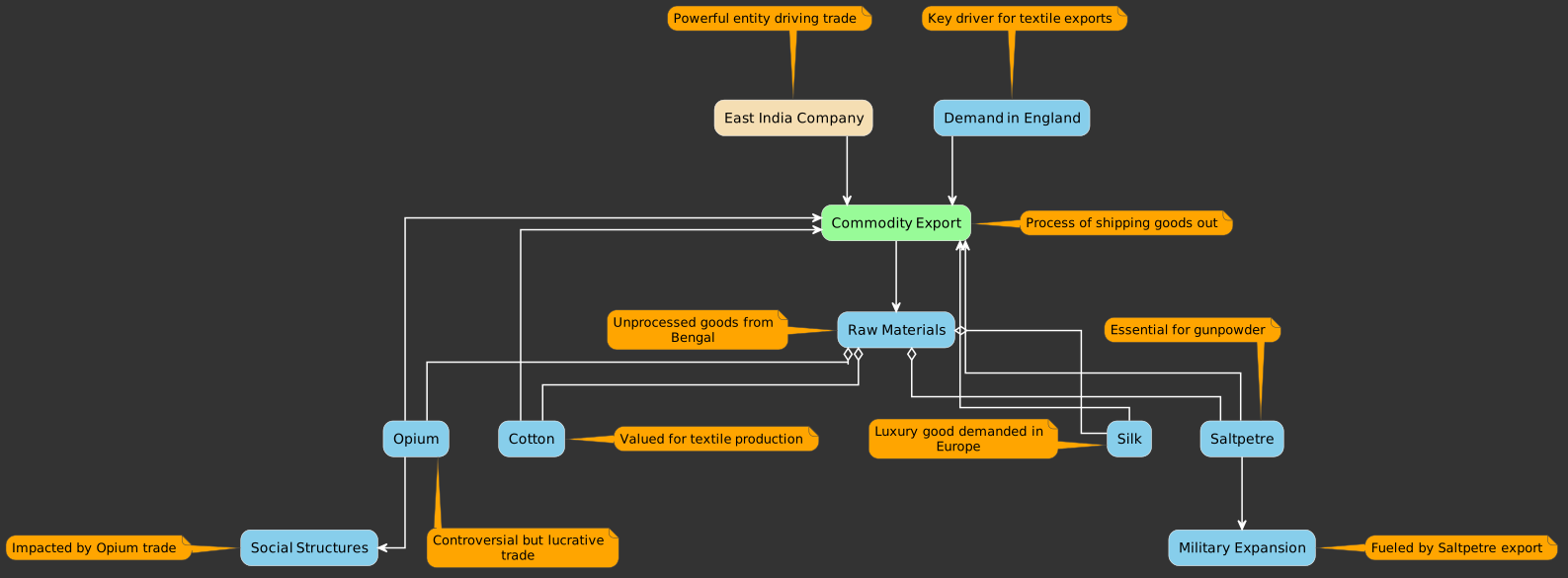
In the middle of the 18th century, Bengal was a highly valuable province for the English East India Company due to its rich resources and established trade networks. The primary staple commodities of export from Bengal by the Company were:
- Cotton and Silk: Bengal was a major textile-producing region, known for its fine cotton and silk fabrics. These were in high demand in European markets.
- Saltpetre: This was a crucial ingredient for gunpowder production and was strategically important. Bengal was a significant source of saltpetre.
- Opium: While controversial, opium became a highly profitable commodity. The Company monopolized its production in Bengal and exported it primarily to China to balance its trade deficits, particularly in tea.
Other options include commodities that were either not primary exports from Bengal during that specific period (e.g., oil-seeds as a staple export, zinc, lead, copper, silver, gold as exports rather than imports) or were of lesser significance compared to textiles, saltpetre, and opium.
CStrategy
For questions on colonial trade, identify the key commodities and regions that were central to the economic interests of the European trading companies. Focus on high-value goods that drove international trade during that period.
DSyllabus Analysis
This question falls under Indian History – Modern India, specifically the economic history of the British East India Company and trade patterns in the 18th century.
EQuestion Analysis
Medium. Requires specific knowledge of 18th-century trade commodities from Bengal.