
Question 33
AOptions
BSolution
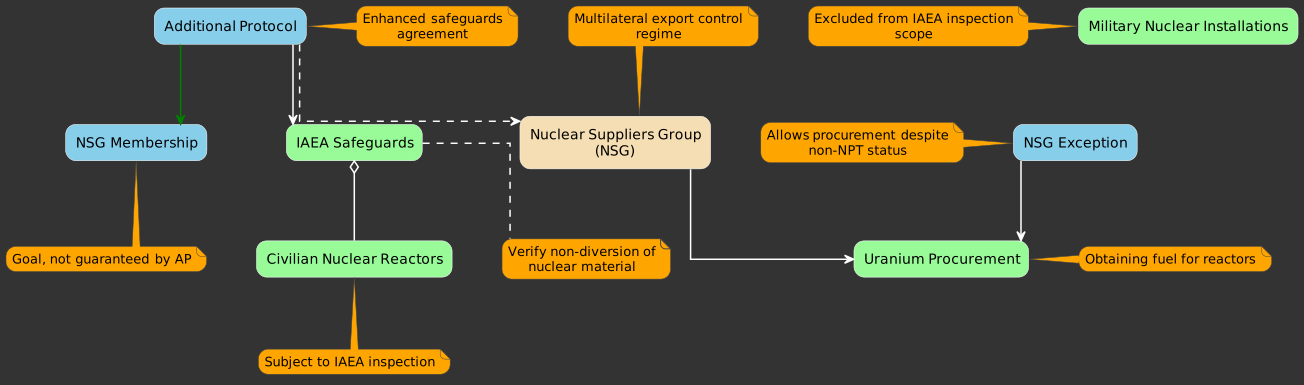
The 'Additional Protocol' with the 'International Atomic Energy Agency (IAEA)' is a legal document that significantly strengthens the IAEA's safeguards system. For a country like India, ratifying the Additional Protocol primarily implies granting the IAEA broader inspection rights and increased access to information and facilities related to its civilian nuclear program. This is aimed at providing credible assurances that nuclear material and technology are not being diverted from peaceful uses to nuclear weapons programs. It enhances transparency and verification capabilities of the IAEA over a nation's declared civilian nuclear activities. It does not automatically mean military nuclear installations come under inspection, nor does it guarantee specific trade privileges or automatic membership in groups like the NSG, although increased transparency can build trust and facilitate such relationships.
CStrategy
For questions on international agreements, particularly in sensitive areas like nuclear non-proliferation, focus on the direct and primary implications of such protocols. Understand the core mandate of the international body involved (e.g., IAEA's role in safeguards) and how the protocol enhances that mandate.
DSyllabus Analysis
This question is from International Relations, specifically India's nuclear policy and international nuclear cooperation/non-proliferation.
EQuestion Analysis
Medium. Requires understanding of IAEA's role and the purpose of the Additional Protocol in the context of nuclear non-proliferation and safeguards.