
Question 59
AOptions
BSolution
Let's analyze each statement regarding the Solid Waste Management Rules, 2016 in India:
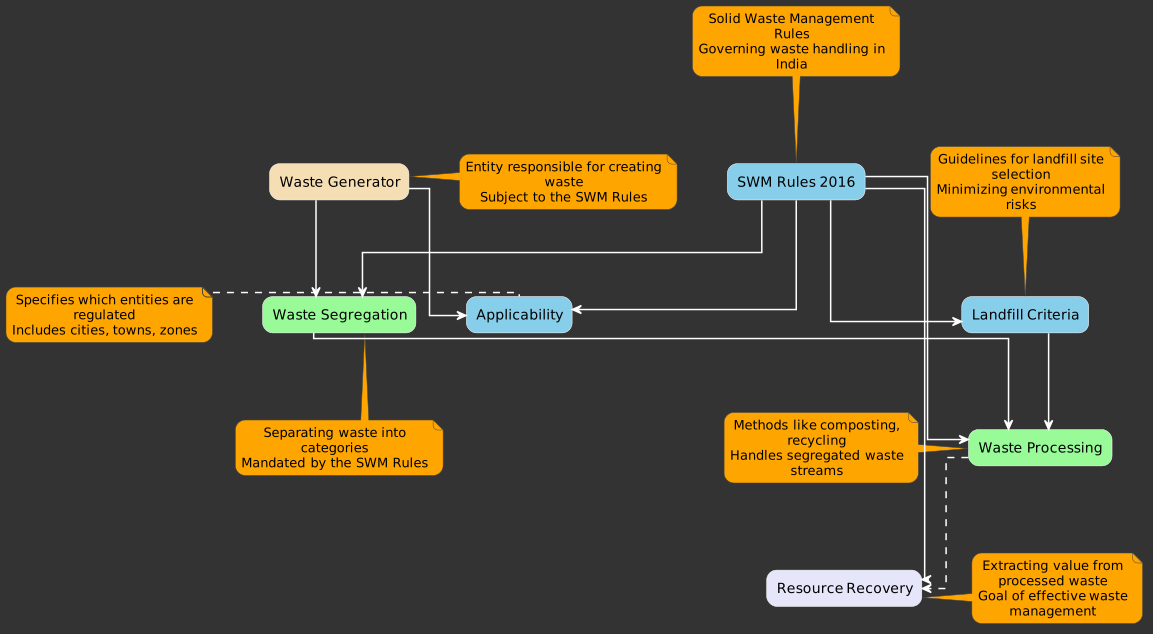
A) Waste generator has to segregate waste into five categories. This statement is incorrect. The rules primarily mandate segregation of waste at source into three main streams: wet (biodegradable) waste, dry (non-biodegradable) waste, and domestic hazardous waste. While further segregation may happen for recycling, 'five categories' is not the general mandatory requirement for waste generators.
B) The Rules are applicable to notified urban local bodies, notified towns and all industrial townships only. This statement is incorrect. The SWM Rules, 2016, have a much wider applicability. They extend to all urban agglomerations, census towns, areas under the control of Indian Railways, airports, special economic zones, places of pilgrimage, religious and historical importance, and every domestic, institutional, commercial, and other non-residential solid waste generator situated in the areas given above.
C) The Rules provide for exact and elaborate criteria for the identification of sites for landfills and waste processing facilities. This statement is correct. The SWM Rules, 2016, indeed provide detailed and specific criteria for the identification and establishment of sites for solid waste processing facilities and sanitary landfills. These criteria include aspects related to environmental impact, distance from residential areas, water bodies, airports, national parks, etc., and requirements for environmental clearance.
D) It is mandatory on the part of waste generator that the waste generated in one district cannot be moved to another district. This statement is incorrect. The rules do not prohibit inter-district movement of waste. Waste can be transported across districts, especially to designated regional processing facilities or landfills, provided it is done in accordance with the rules, including proper transportation and environmental safeguards, and with necessary permissions.
CStrategy
For questions on environmental rules and regulations, pay close attention to the scope, specific mandates, and restrictions mentioned. Absolute terms like 'only', 'all', or 'mandatory' should be scrutinized carefully, as they often indicate an incorrect statement if exceptions or broader applications exist.
DSyllabus Analysis
This question falls under the Environment & Ecology section of the UPSC Prelims syllabus, specifically focusing on waste management policies and regulations in India.
EQuestion Analysis
Medium. The question requires detailed knowledge of the Solid Waste Management Rules, 2016, and distinguishing accurate provisions from common misconceptions or misinterpretations.