
Question 31
AOptions
BSolution
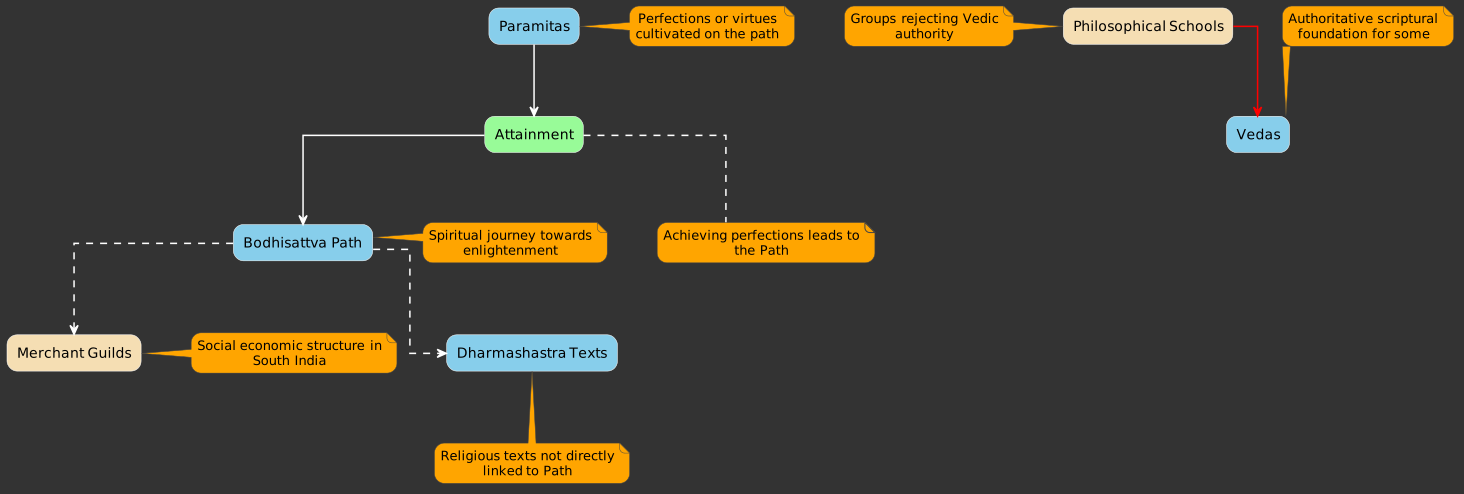
In the context of the cultural history of India, particularly within Buddhism (especially Mahayana Buddhism), 'paramitas' (Pali: pāramī) refer to the 'perfections' or 'transcendent virtues'. These are the qualities and practices that a Bodhisattva (one who has vowed to achieve Buddhahood for the benefit of all sentient beings) cultivates and masters to progress on the path to enlightenment. Traditionally, there are six or ten paramitas, including generosity (dana), morality (sila), patience (kshanti), effort (virya), meditation (dhyana), and wisdom (prajna). Their attainment is crucial for the spiritual development and ultimate awakening of a Bodhisattva.
CStrategy
For questions related to cultural and religious terminology, it's essential to understand the core concepts and their significance within specific philosophical or religious traditions. Distinguishing these terms from other unrelated concepts is also important.
DSyllabus Analysis
This question is from Ancient Indian History / Indian Culture, specifically focusing on the philosophical and religious concepts within Buddhism.
EQuestion Analysis
Medium. Requires specific knowledge of Buddhist terminology and concepts.